
Is your tree canopy thinning, or are you struggling with invasive insects? From the Emerald Ash Borer to Oak Wilt, trees in Durham, Raleigh, and Cary face unique local threats. Our ISA certified experts identify and treat these issues before trees become permanent losses.
The Triangle Ecosystem and Environmental Stress
Maintaining a vibrant landscape in the North Carolina Piedmont requires an understanding of our specific local environment. To protect your property, consider the following environmental factors:
The native red clay soil common throughout the Triangle often leads to poor drainage and soil compaction, which can weaken a tree’s immune system.
When trees are stressed by weather extremes or poor soil conditions, they become much easier targets for opportunistic pests and diseases.
Professional arborists help eliminate safety hazards by identifying hazardous, diseased, or unstable trees to prevent injuries or property damage.
Regular maintenance by professionals identifies weakened or diseased limbs that could fall during storms, protecting buildings and utilities.
Common Leaf and Foliage Diseases
Fungal and bacterial diseases are prevalent in the humid North Carolina climate, often affecting the aesthetic and structural health of local favorites like Dogwoods and Maples.
Dogwood and Maple Anthracnose
Anthracnose is a common fungal group that causes spotting, leaf curl, and early defoliation. In Dogwoods, anthracnose can lead to twig dieback if left untreated. Regular pruning can help promote new growth and improve overall health by removing these dead or damaged branches.
Bacterial Leaf Scorch
This is a slow killer often found in urban Oaks. Homeowners should look for a distinct yellow halo or border between the brown, dead leaf margins and the green centers. Proper tree trimming techniques can help ensure trees remain healthy and safe by allowing sunlight and air to reach inner branches, which may mitigate some stress.
Hypoxylon Canker
This fungus identifies weakened or stressed hardwoods, particularly those struggling with soil compaction or drought. It is easily identified by the crusty silver or black mats that appear once the bark has sloughed off.
Fire Blight
Targeting fruit trees like pears and apples common in residential Triangle yards, Fire Blight causes branches to look blackened or scorched. Early intervention is key to preventing the spread to the rest of the tree.
Destructive Pests and Invasive Insects
Insects can cause rapid decline in healthy trees if their populations are not managed through a proactive plant health care plan. Some common pests and invasive insects in the Triangle include:

The Emerald Ash Borer is a lethal threat to all ash tree species in North Carolina.
Experts recognize signs of infestation early, such as D shaped exit holes in the bark, and can treat trees before they die, which saves significantly on tree removal costs.
Cankerworms, or inchworms, can defoliate entire blocks of trees in areas like Raleigh and Durham. Similarly, Fall Webworms create large silk nests at the ends of branches. While often cosmetic, heavy infestations over several years can weaken a tree’s immune system.
These pests are known for the conical, protective bags they silk together using needles or leaves from the host tree. They are particularly destructive to evergreens and junipers in residential landscapes.
Japanese Beetles skeletonize leaves by eating the tissue between the veins, while Aphids suck nutrients from new growth. Both pests can lead to stunted growth and reduced curb appeal.
Scale insects produce a sticky honeydew that leads to black sooty mold on Japanese Maples and Crape Myrtles. Spider Mites are tiny pests that cause stippling or yellowing of needles and leaves, often thriving in hot, dry conditions.
Soil-Borne and Root Issues
Many tree problems are invisible because they start underground within the root system.
Phytophthora and Annosus Root Rot
Phytophthora is often caused by the poor drainage inherent in Triangle red clay, while Annosus Root Rot is a major threat to local pine species. Both diseases compromise the tree foundation and can lead to sudden failure. Regular maintenance by professionals identifies weakened or diseased limbs and roots that could fail during storms, protecting buildings and utilities.
Volcano Mulching
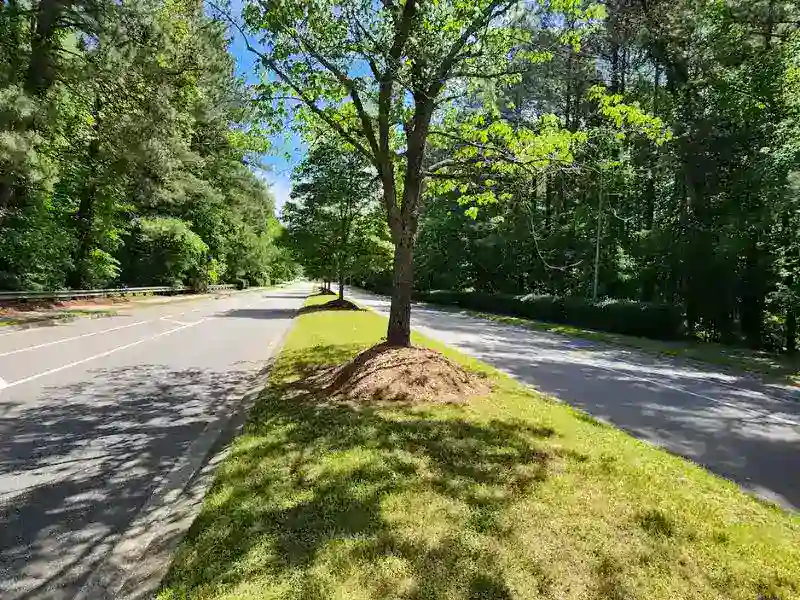
Improper mulching is one of the most common maintenance errors seen on residential and commercial properties. When mulch is piled high against the trunk, it traps moisture against the bark and encourages the growth of roots that wrap around the trunk. These roots eventually choke the tree, cutting off the flow of water and nutrients.
Improper Planting and Root Flare Burial
A tree that is planted too deep in the soil is at a significant disadvantage from day one. If the root flare, where the trunk expands at the base, is buried, the tree may suffer from chronic stress and poor oxygen exchange. Our team specializes in correcting these issues through root pruning and soil excavation to ensure the tree has a healthy structural foundation. Proper tree care begins with ensuring the root system is positioned correctly within the local environment.
Compaction and Girdling Roots
Construction, foot traffic, and driveways strangle roots over time by cutting off oxygen through soil compaction. Stump grinding is often the preferred method for removing old tree stumps to minimize disturbance to the surrounding area and allow for healthier soil use for new plantings.
Schedule a consultation today.
The Importance of Plant Health Care
Plant Health Care is a holistic approach that moves beyond simply spraying for bugs. It involves soil testing, root zone invigoration, and preventative injections to bolster a tree’s natural defenses.
Investing in routine tree maintenance is much more cost effective than repairing damage from neglected trees or paying for full removals. While the average cost of tree removal can vary significantly based on height and circumference, a proactive health plan is a fraction of that investment. Healthy, mature trees also significantly increase a property’s market value.

FAQ
What areas do you serve?
We provide full-service tree care services in Apex, Cary, Chapel Hill, Morrisville, Hillsborough, Holly Springs, Raleigh, and Durham.
How can I tell if my tree is diseased or just stressed?
Professionals identify hazardous, diseased, or unstable trees by looking for specific markers such as thinning canopies, unusual leaf spots, or fungal growth on the trunk. Experts recognize signs of infestation early, which allows for treatment before the tree dies. If you notice a few dead branches or significant leaf drop during the growing season, it is a sign that the tree’s immune system may be compromised.
Is it cheaper to treat a tree or have it removed?
Investing in routine tree maintenance is consistently more cost-effective than repairing damage from neglected trees or paying for full removal services. While the average price of tree removal can range from $800 to $1,100, preventative plant health care plans are a fraction of that cost. Treating a tree early not only saves on removal expenses but also preserves the overall market value of your property.
What factors affect the success of tree disease treatment?
The success of any treatment plan depends on the tree species, the severity of the infestation, and current soil conditions. Proper tree care begins with an on-site consultation to assess the environment and determine if specialized equipment or nutrient support is needed. Healthy trees that receive regular fertilization and proper mulching are much better equipped to survive local pests like the Emerald Ash Borer or Cankerworms.
Why is it important to use a locally owned tree service?
A locally owned and operated business understands the specific challenges of the North Carolina environment, including the native Piedmont clay soil. Local services are also well-versed in municipal regulations and tree preservation ordinances in cities like Durham and Raleigh. This expertise ensures that your plant health care plan is both effective and compliant with local standards.
Schedule a Consultation
If you are unsure of your tree’s health, ask yourself these three questions. Is the tree losing leaves earlier than usual? Are there visible holes or fungal growth on the bark? Is the crown or top of the tree thinning?
Don’t guess with your landscape’s value. Schedule a comprehensive tree health audit with our Triangle team today to ensure your trees remain a safe and beautiful part of your property.