Choosing the best trees for bees is one of the most impactful ways homeowners can support pollinator health while also improving the beauty and function of their landscape. Many trees provide far more nectar and pollen than smaller plants, making them essential food sources for bees and other pollinators throughout the year.
At Broadleaf Tree & Shrub, we help property owners throughout the greater Durham, NC area choose trees that match their site conditions while supporting bees and other pollinators. Join our tree care experts as they highlight the most effective trees for bees, with a focus on native species and well-adapted flowering trees that thrive in North Carolina.
Table of Contents
Benefits of Trees for Bees
Trees offer long-lasting value for bees, especially when compared to short-lived flowers or seasonal plantings. Because many trees bloom reliably year after year, they provide stability that helps support bee health across generations.
Abundant Nectar and Pollen Sources
When blooming trees flower, they produce an enormous volume of blossoms in a short period of time. A single mature tree can provide a rich source of nectar and pollen, giving honey bees, native bees, and bumble bees access to good food without traveling long distances.
This efficiency helps strengthen bee colonies and supports overall pollinator success.
Seasonal Food Continuity
Different tree species bloom at different times, creating a steady flow of resources from early spring through the warmer months and into late spring and summer. Maple trees, willow trees, and red maple varieties are especially valuable early, while species like tulip poplar and linden trees extend nectar availability and help keep forage consistent later in the season.
This long period of bloom helps prevent food shortages that can stress bees.
Shelter and Nesting Support
Beyond flowers, many trees provide physical shelter that benefits local bees and other insects. Bark crevices, hollow branches, and undisturbed canopies offer nesting areas for native pollinators that are not wind pollinated and rely on trees for protection.
These features also benefit many birds, adding a broader ecological value to planting trees friendly to bee populations.
Long-Term Habitat Stability
Unlike annual flowers that must be replanted, trees remain part of the landscape for decades. Once established, large trees continue to offer nectar, pollen, and shelter with minimal disruption when properly maintained.
This makes planting the best trees for bees one of the most reliable ways to support local pollinators.
Best Native Trees for Bees in North Carolina
These native varieties are some of the best trees for bees, offering reliable nectar and pollen sources that align with the life cycles of local pollinators in North Carolina.
Red Maple (Acer rubrum)
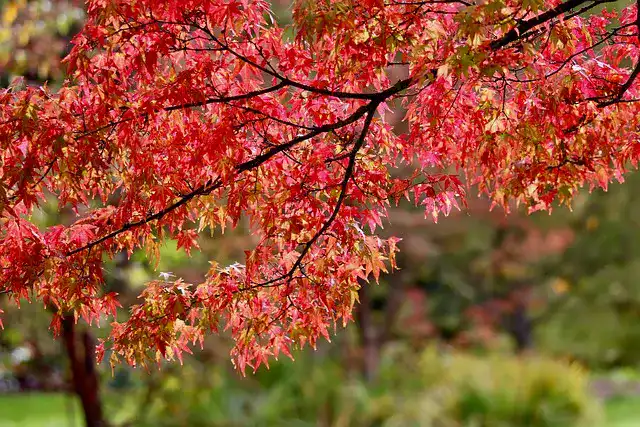
Red maple is one of the earliest flowering trees for bees, often blooming before spring ephemerals emerge. Its red flowers provide both nectar and pollen at a time when food is scarce, making it a favorite for honey bees and native species alike.
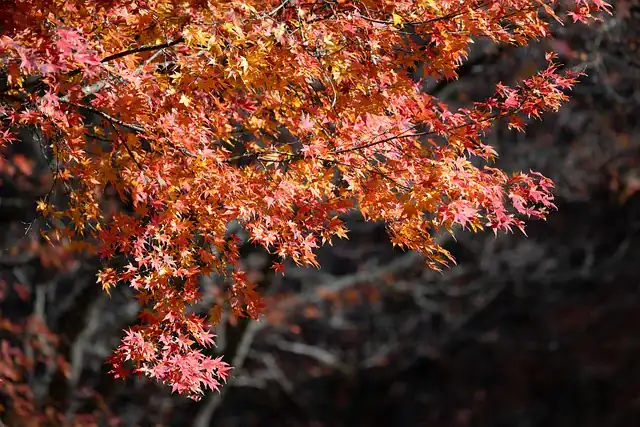
Red maple trees tolerate a wide range of soil conditions and adapt well to residential landscapes. Their early spring bloom, summer canopy, and fall foliage colors make them one of the best trees for long-term value.

Tulip Poplar (Liriodendron tulipifera)
Tulip poplar is a major nectar producer and is sometimes referred to as a regional honey tree. Its large flowers offer more nectar per bloom than many other trees and native plants, helping attract bees during late spring when colonies are expanding.
Black Gum (Nyssa sylvatica)
Black gum produces small flowers that may go unnoticed by people but are highly valuable to bees. The tree blooms in spring and provides a dependable nectar source when many trees have already finished flowering.

Best Flowering Trees for Attracting Bees In NC
Not all flowering trees offer the same benefits, but certain species consistently attract bees, making them a great choice for planting trees on residential landscapes.
Eastern Redbud (Cercis canadensis)
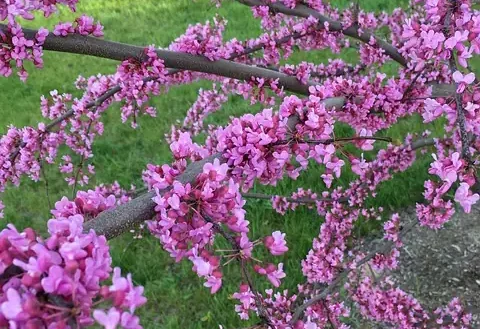
Eastern redbud blooms early with pink flowers that line its branches before leaves appear. These blossoms provide an important nectar source for native bees emerging after winter. Because of its moderate size, redbud works well alongside other trees, plants, and shrubs in mixed landscapes.
Serviceberry (Amelanchier spp.)
Serviceberry produces clusters of white flowers in early spring that bees actively seek out. These flowers appear before many shrubs bloom, helping bridge seasonal gaps. Later in the year, serviceberry fruit supports birds, making it a strong choice for trees that benefit multi-species landscapes.


Sourwood (Oxydendrum arboreum)
Sourwood blooms later than many trees, offering nectar during the summer when fewer flowering trees are available. Its fragrant white flowers are especially attractive to honey bees. This tree prefers well-drained soil and benefits from professional tree and root care to maintain long-term health.
Other Bee-Friendly Trees to Consider
- Black Locust and Black Locust Tree: Black locust produces fragrant white flowers rich in nectar, making it highly attractive to honey bees.
- Linden Trees and Littleleaf Linden: These trees bloom in early summer and are known for producing high-quality honey.
- Willows and Pussy Willows (Salix spp): Willows are among the earliest pollen sources available to bees in spring.
- Wild Cherry Trees and Black Cherry: Closely related species like wild cherry and black cherry offer spring flowers that support bees and birds.
- Fruit Trees: Apple trees, wild plums, and horse chestnut trees provide flowers that benefit bees while also producing fruit.

Support Local Bee Populations with Professional Tree Care
Planting the best trees for bees is only part of the equation. Proper placement, following label instructions for any treatments, and ongoing maintenance all influence bloom quality and nectar production.
If you’re considering planting new trees or caring for existing ones, we invite you to connect with our team through our online contact form below. We provide tree removal, tree trimming, and general plant health care in Durham and the surrounding areas. Fill out the form below to schedule a consultation and tell us about your tree needs.