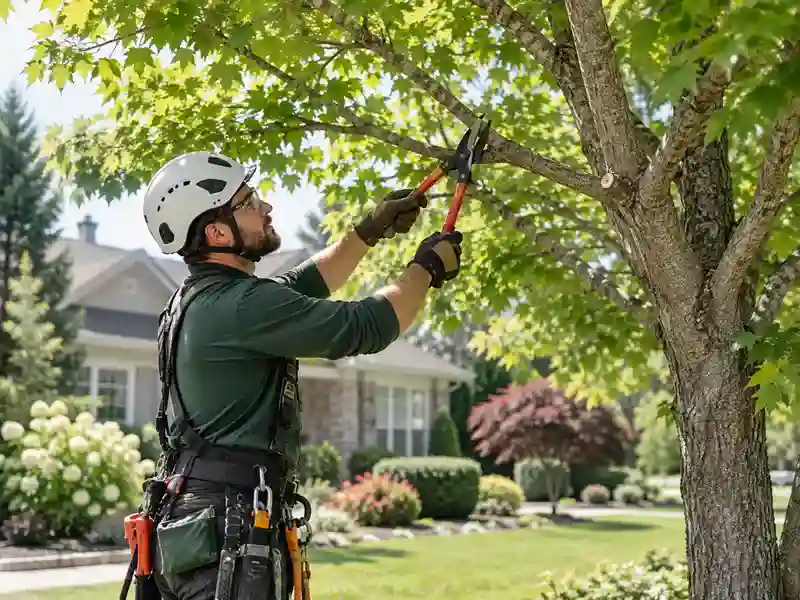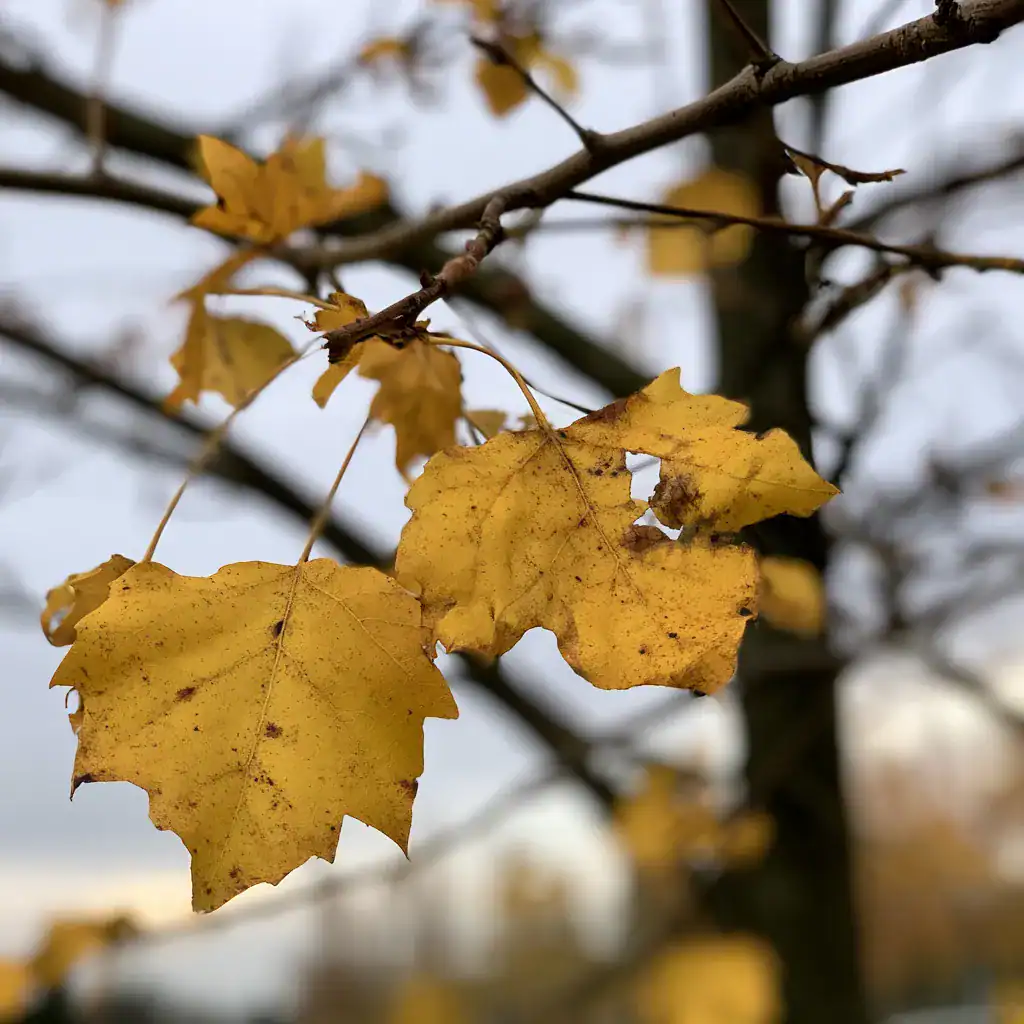
Oak trees are the “kings” of the canopy throughout the Triangle area, but they are not immune to stress. Between drought, development, compacted clay soil, and changing urban landscapes, many mature oaks are working harder than most people realize.
For homeowners searching for guidance on Oak tree care in North Carolina, it’s important to know that many visible tree problems begin where you cannot see them. A tree may look stable while its roots are struggling to access oxygen, water, or nutrients. By the time the leaves thin out or branches begin dying back, the tree may already be dealing with years of hidden stress.
That is why strong oak care starts with the roots. To protect the tree’s leaves, shade, and structure, it’s important to know how to protect the root zone, or how a Durham-area tree company can best support your landscape goals.
Arborist Tip: A mature oak with a thinning canopy is not always “just old.” It may be reacting to drought, soil compaction, root damage, disease, or a combination of stressors.
Table of Contents
The Foundation: Soil Health in the Piedmont Clay
In the Piedmont area of North Carolina, our clay soil supports tree growth, but when it’s compacted, it becomes dense and difficult for roots to move.
The “Red Clay” Trap
Red clay can compact easily when lawnmowers, foot traffic, parked vehicles, or construction equipment press down around mature oaks. Once compacted, soil loses the small air spaces roots need for oxygen and water movement. For oak trees on local properties, that can mean less root support during heat or times of drought.
Surface roots, thinning grass, early leaf drop, smaller leaves, or canopy thinning may point to soil and root stress.
Root Zone Management
Professional root zone management improves the soil where an oak’s fine absorbing roots take in water and oxygen. For mature trees, this area often extends well beyond the trunk toward the drip line.
Depending on the site, our Triangle NC arborists may recommend aeration, air-spading, vertical mulching, compost amendments, or similar soil care methods. These services help loosen compacted soil and improve water movement without aggressively digging around sensitive roots.
Tree Fertilization in Durham
When soil testing or a professional tree assessment shows a nutrient issue, tree fertilization can be a solution; however, it’s not a quick fix for every struggling oak. For example, a drought-stressed tree may not absorb fertilizer well if water is limited, making it hard for the roots to withstand the growth that results from adding high-nitrogen lawn products to the area.
After getting a professional assessment of what’s happening to your oak tree in North Carolina, an arborist may recommend soil testing, mulch correction, watering changes, root zone improvement, slow-release nutrition products, or monitoring before applying fertilizer.

Arborist Tip: If the lawn has been fertilized, do not assume the oak has received the right nutrition. Lawn care and oak tree care are connected, but they are not the same.
Proper Mulching: The “Donut vs. Volcano” Rule
When mulching around the base of the tree, the mulch ring should be wider than it is tall, with clear space around the trunk.

A good way to remember how to properly mulch an oak tree is to think of the “donut vs volcano” rule. A wide circle, or “donut” ring, of mulch around the tree protects the root zone, and the center stays open so the trunk flare is not buried. When mulch is stacked against the bark of the tree, this is referred to as the “volcano.” The stacked mulch against the tree’s base can hold too much moisture at the base of the tree and create problems that often go unnoticed until the oak is already stressed.
For mature oak trees, mulch works best when it covers a broad area instead of being pushed up against the trunk. Spreading it toward the drip line helps protect exposed tree roots, gives the tree less competition from surrounding grass, holds moisture in the soil, and keeps mowers from getting too close.
Mulch should be pulled back from the trunk so the trunk flare remains visible. When bark stays buried or damp, the tree becomes more vulnerable to decay, tree pests, fungal problems, and root issues.
Volcano mulching, where the mulch is pressed closely against the trunk, can slowly weaken an oak tree. Its roots may grow into the piled mulch and begin circling the trunk, but as those roots enlarge, they can become girdling roots that restrict water and nutrient movement, turning into ongoing tree problems.
If your oak looks like it goes straight into the ground, the trunk flare, which is the widened area at the base of the tree where the trunk spreads into the major roots, may become buried. That is a good reason to have the base inspected before cutting roots, removing soil, or making major changes around the tree.
The “Big Three” Disease Threats for 2026
Drought and root stress can make oak trees more vulnerable to common tree diseases. Some diseases move quickly, while others slowly weaken a tree over several seasons.
Oak Wilt (The Rapid Killer)
Oak wilt is a fungal tree disease that can be especially damaging to red oaks. Known as the “rapid killer” of oak trees, the disease moves through root grafts between nearby oaks or through beetles that visit fresh wounds on nearby trees.
Symptoms may include wilting, crown decline, sudden leaf loss, and spore mats on dead trees that attract sap-feeding beetles. A professional who specializes in oak tree care in Raleigh can inspect the damage and decide whether pruning, removal, or another step is the best approach.

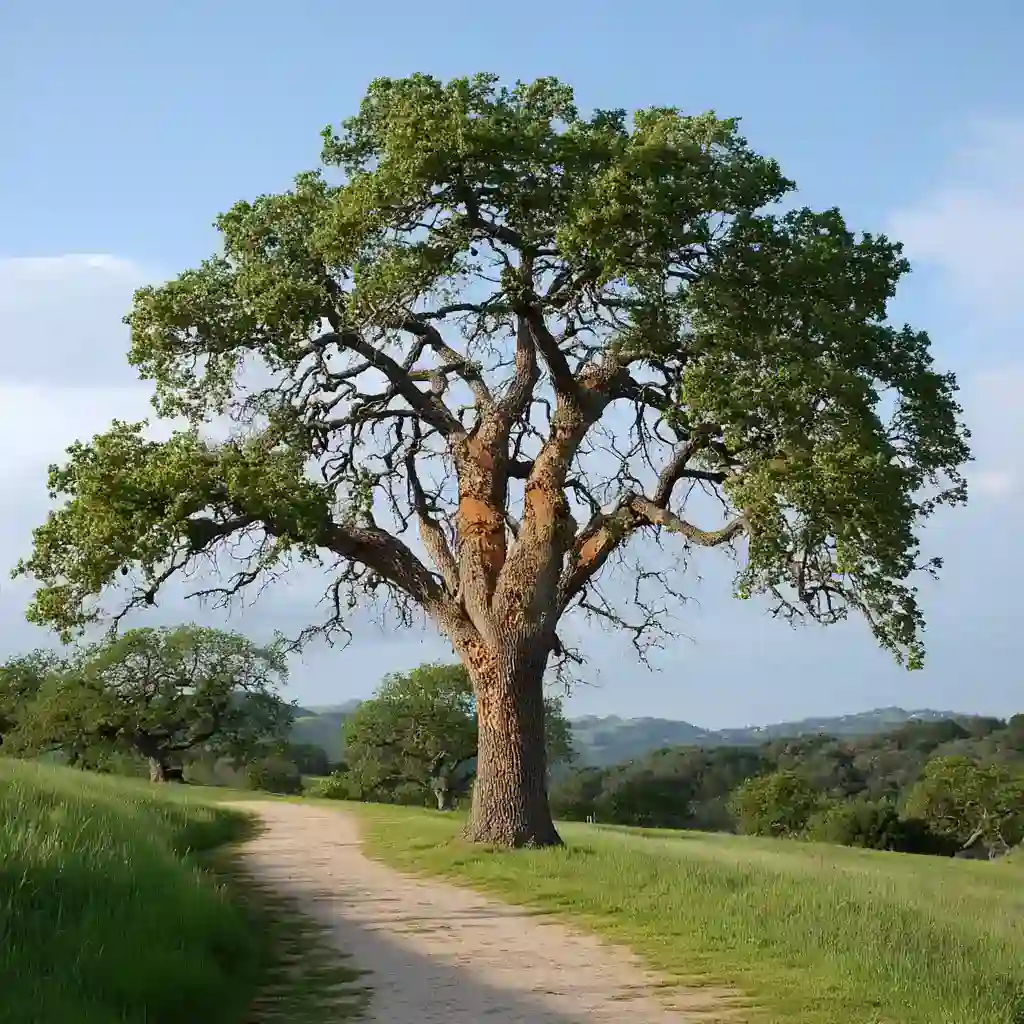
Hypoxylon Canker (The Opportunist)
Hypoxylon canker usually affects oaks already weakened by drought, construction damage, compacted soil, root loss, or other stress. In many cases, the disease is not the first problem to arise. It takes hold after the tree has already been pushed beyond what it can manage.
Homeowners may notice bark sloughing off the trunk or large limbs. Under the missing bark, the exposed surface may look silver-gray, tan, reddish-brown, black, or crusty. Once large areas are visible, the tree is often in serious decline. Managing this disease often focuses on improving the root zone, correcting mulch problems, and watering properly during drought.
Bacterial Leaf Scorch (The Slow Burn)
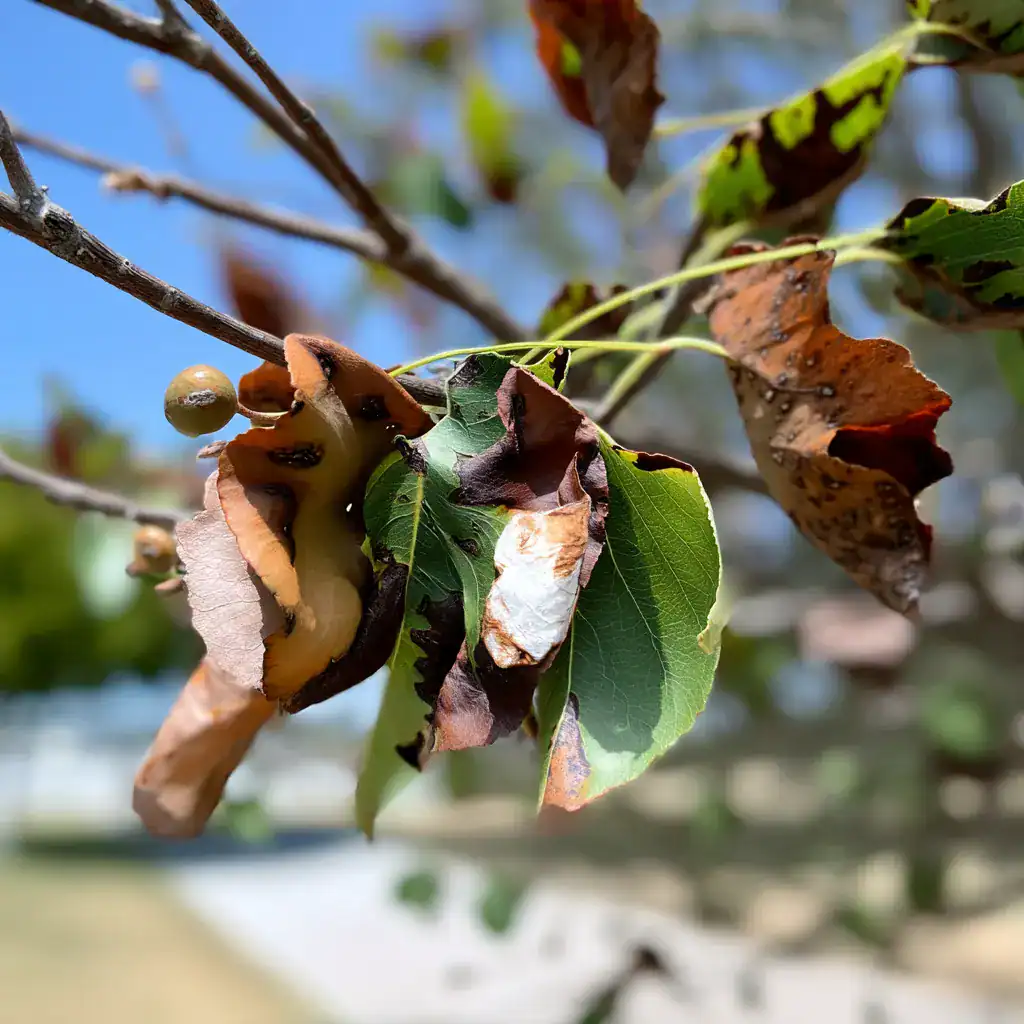
Because Bacterial Leaf Scorch is often mistaken for simple drought, many homeowners wait too long to seek help. A key indicator is if the leaf browning returns in the same pattern every year. The tree can experience root damage and heat scorch, which may lead to browning leaf edges, early leaf drop, branch-by-branch decline, and slower overall growth as the tree struggles to move enough water through the canopy.
Arborist Tip: Don’t rely on one leaf to diagnose a disease. Look at the whole tree, the timing of symptoms, the affected branches, and whether the issue returns each year.

2026 Drought Tactics: Watering the Right Way
During dry weather, watering the lawn is not the same as watering a mature oak. Grass roots sit close to the surface, while many of an oak’s feeder roots extend farther out beneath the canopy. To help the tree, water needs to reach that wider root zone slowly enough to soak in.
Short, frequent watering may be a good way to green up your lawn, but using that approach for your oak tree in North Carolina will not be successful. In compacted clay prevalent throughout Wake County communities, much of that water can run off before it reaches the roots that support a mature oak. Light watering can also encourage shallow grass roots, which adds more competition for moisture during dry weather.
Focus watering the area beneath the tree canopy and toward the drip line, which is the outer edge of the branches. That is where many fine feeder roots are actively taking in water. Using a soaker hose, drip line, or slow sprinkler is a great way to achieve a fast spray. The goal is steady soaking across the root zone, not water pooling around the trunk or standing on top of heavy clay soil.
During a Triangle dry spell, a mature oak may benefit from a deep soak every 10 to 14 days if there has not been meaningful rain. It’s important to check the soil first. If it is still damp a few inches down, wait to water, but if the soil is dry several inches below the surface, watering can help reduce drought stress.
Schedule a Professional Soil Health Audit with BroadLeaf Tree & Shrub
Soil care is preventative tree care, which is often easier and less costly than dealing with severe canopy decline, hazardous limbs, or professional tree removal when the tree cannot recover.
If your oak is showing thinning leaves, unusual leaf drop, bark loss, fungal patches, or signs of drought stress, don’t wait for the tree to decline further. At BroadLeaf Tree & Shrub, our Triangle NC arborists provide services in Durham, Raleigh, Chapel Hill, Cary, Apex, Morrisville, Hillsborough, Holly Springs, and nearby communities.
Contact us today to schedule a professional soil health audit by calling (919) 632-3565 or filling out the form below.